Carnauba Wax Supplier | Industrial Wholesale Solutions
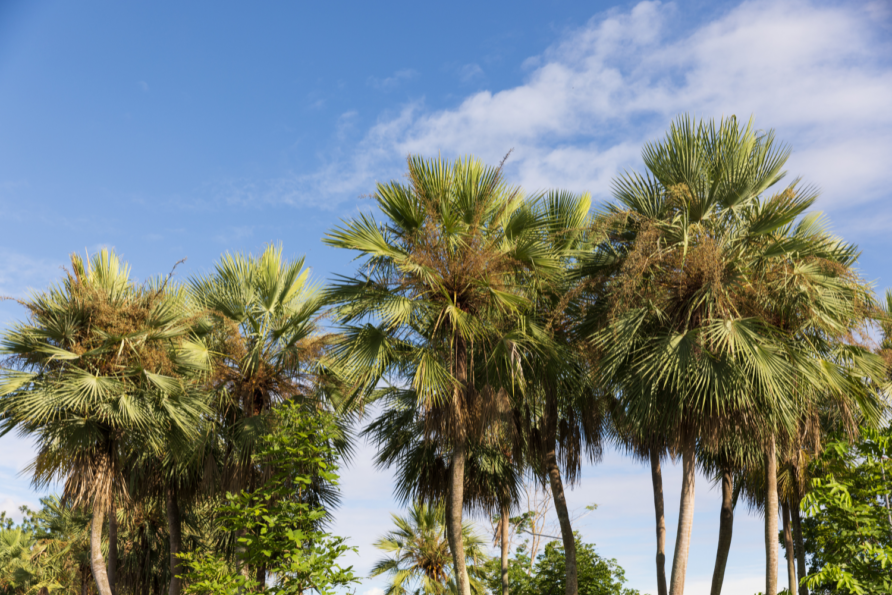
As a premier industrial carnauba wax supplier in Europe, De Monchy provides high-quality plant-based waxes in wholesale quantities directly from stock to satisfy large-scale manufacturing requirements. Carnauba wax is a natural, renewable wax obtained from the leaves of the Copernicia prunifera palm, native to northeastern Brazil. The wax naturally forms a protective coating on the palm leaves, helping the tree withstand intense heat and dry climatic conditions. Harvested sustainably and refined into premium flakes or blocks, it is widely valued across B2B sectors ranging from industrial coatings and polishes to cosmetics, pharmaceuticals, and food-grade applications.
Often referred to as the “Queen of Waxes”, carnauba wax is renowned for its exceptional hardness, high melting point, glossy appearance, and water-repellent properties. These characteristics make it one of the most versatile natural waxes available for manufacturers seeking performance, durability, and sustainability in their formulations.

To download the specifications, please provide your email address for verification.
History, Origin and Production of Carnauba Wax
Carnauba wax is derived from the leaves of the Copernicia prunifera palm, a tree native to the semi-arid regions of northeastern Brazil. Also known as Brazilian Wax, Palm Wax, or Ceara Wax, carnauba wax has been valued for centuries due to its exceptional durability, gloss, and resistance to heat and moisture. Indigenous communities in Brazil were among the first to recognize and utilize the unique properties of the carnauba palm, which is often referred to as the “Tree of Life” because nearly every part of the tree can be used for practical purposes.
Commercial interest in carnauba wax began to grow during the 19th century as its performance advantages became known beyond Brazil. By the mid-1800s, carnauba wax was being exported internationally and gradually found applications in polishes, coatings, and industrial formulations. Today, it is widely used across global markets, including the food, cosmetics, pharmaceutical, and coatings industries.
The harvesting process takes place during the dry season, when selected leaves are carefully cut from the palm without damaging the tree. After harvesting, the leaves are dried in the sun and processed to separate the wax-rich powder from the leaf surface. The crude wax is then refined and filtered to produce commercial grades suitable for industrial and specialty applications.
As a renewable, plant-based material, carnauba wax is considered a sustainable raw material. Only a portion of the leaves is harvested, allowing the palm to continue growing and producing new foliage. This regenerative harvesting approach, combined with the natural renewability of the Copernicia prunifera palm, makes carnauba wax an attractive alternative to petroleum-based waxes in a wide range of industrial applications.
Industrial Grade Vegetable Wax Distributor
As a specialized vegetable wax industrial grade distributor, De Monchy supplies premium, high-purity Carnauba wax specifically qualified for large-scale manufacturing applications. By focusing exclusively on bulk supply for B2B sector, such as industrial coatings, polishes, cosmetics, pharmaceuticals, and food-grade formulations, we ensure a fully traceable supply chain and consistent material quality for industrial production across Europe.
High Melting Point and Thermal Stability
One of the most distinctive characteristics of carnauba wax is its high melting point, typically ranging from 82 to 86°C. This exceptional thermal stability is a result of its unique chemical composition, which consists primarily of long-chain fatty acid esters, fatty alcohols, and smaller amounts of acids and hydrocarbons. The predominance of long-chain aliphatic esters and alcohols enables efficient molecular packing, resulting in a highly ordered crystalline structure and enhanced thermal resistance. Strong intermolecular forces between these molecules require significant thermal energy to transition from solid to liquid. As a result, carnauba wax maintains its hardness, gloss, and protective properties at temperatures where many other natural waxes begin to soften or melt, making it particularly suitable for heat-resistant coatings, polishes, cosmetics, food-grade coatings, and other demanding industrial applications.
Chemical Composition of Carnauba Wax
Carnauba wax is composed mainly of fatty acid esters (approximately 80-85%), together with fatty alcohols (10-16%), fatty acids (3-6%), and hydrocarbons (1-3%). This balanced composition gives carnauba wax its characteristic combination of hardness, thermal stability, gloss, and resistance to moisture. As a result, it is widely used in formulations where durability, surface protection, and a premium finish are required.
Our Carnauba Wax Grades
Carnauba wax is available in different grades, each offering specific characteristics in terms of colour, purity, and performance. The most suitable grade depends on the requirements of the intended application, including regulatory compliance, appearance, formulation requirements, and processing conditions.
T1 Carnauba Wax
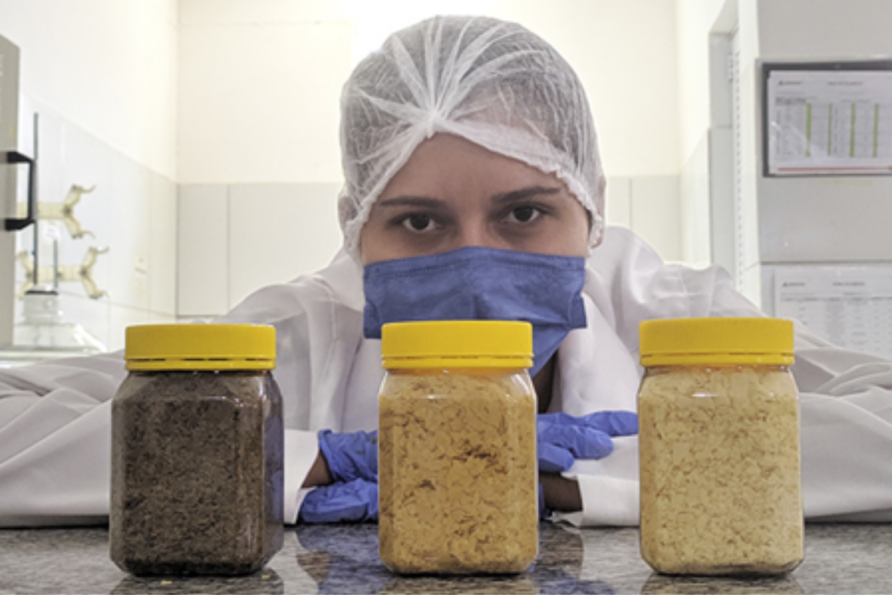
T1, also known as Prime Yellow Carnauba Wax, represents one of the highest purity grades available. Derived from younger palm leaves and subjected to extensive refinement, T1 offers a lighter colour and superior purity. It is commonly selected for food-grade, pharmaceutical, cosmetic, and other applications where appearance, consistency, and quality are critical.
T3 Carnauba Wax
T3 Carnauba Wax offers an excellent balance between performance and cost-effectiveness. Typically obtained from more mature leaves and refined to industrial quality standards, T3 is widely used in coatings, polishes, surface treatments, industrial formulations, and cosmetic applications. It retains the characteristic hardness, gloss, water resistance, and thermal stability of carnauba wax while providing an economical solution for larger-scale manufacturing processes.
Choosing Between T1 and T3
Both T1 and T3 grades deliver the exceptional hardness, high melting point, and gloss associated with carnauba wax. T1 is generally preferred for applications requiring maximum purity and a lighter appearance, while T3 is often selected for industrial formulations where performance and cost-efficiency are equally important. De Monchy can help determine the most suitable grade based on your technical requirements and end-use application.
Unique Properties
-
Very high melting point (≈ 82–86 °C): much higher than most natural waxes, making it ideal for heat-resistant applications.
-
Exceptional hardness: one of the hardest natural waxes, providing strong surface protection.
-
High gloss and polishability: creates a durable, shiny finish, especially useful in coatings and cosmetics.
-
Excellent water resistance: forms a protective, moisture-repellent barrier.
-
Natural and non-toxic: safe for food contact, vegan, and environmentally friendly.
-
Good emulsifying and film-forming ability: useful in stabilizing formulations and improving texture.
Applications
Food Industry
-
Glazing agent for fruits (apples, citrus) to reduce moisture loss and improve appearance
-
Coating for candies and chewing gum
Cosmetics & Personal Care
-
Lipsticks and lip balms (adds structure and shine)
-
Mascara and eyeliner (improves film strength and wear resistance)
-
Creams and lotions (texture enhancement)
Pharmaceuticals
-
Tablet and capsule coatings
-
Controlled-release formulations

Applications
Industrial & Consumer Products
-
Automotive waxes and polishes
-
Floor and furniture polishes
-
Shoe polish and leather care products
Sustainable Materials
-
Bio-based coatings and packaging
-
Natural alternatives to synthetic polymers in surface treatments

Carnauba Wax vs Other Common Waxes
| Feature | Carnauba Wax | Beeswax | Paraffin Wax | Candelilla Wax |
|---|---|---|---|---|
| Source | Plant (palm leaves) | Animal (bees) | Petroleum | Plant (shrub) |
| Melting Point | Very high (82–86 °C) | Medium (62–65 °C) | Low–medium (46–68 °C) | High (68–73 °C) |
| Hardness | Very hard | Medium | Soft–medium | Hard |
| Gloss | Very high | Medium | Low–medium | High |
| Sustainability | Renewable, biodegradable | Renewable, animal-based | Non-renewable | Renewable, biodegradable |
| Typical Uses | High-gloss coatings, cosmetics, food glazing | Balms, candles, creams | Candles, packaging | Vegan cosmetics, coatings |
Carnauba Wax compared to other Natural Waxes
Carnauba wax is often selected for applications that require a combination of high hardness, thermal stability, gloss, and water resistance. While all natural waxes offer unique performance characteristics, carnauba wax is distinguished by its exceptionally high melting point and its ability to create durable, high-gloss protective films. As a result, it is frequently used in demanding coatings, polishes, cosmetics, and food-grade applications where surface protection and appearance are critical.
Other natural waxes may be selected for different formulation objectives, such as texture modification, flexibility, lubricity, or sustainability targets. The optimal wax will depend on the specific performance requirements of the end application, including hardness, melting range, gloss level, processing conditions, and regulatory considerations.
Our Natural Waxes Portfolio
-
HCO: Hydrogenated Castor Oil (natural origin, plant-based)
-
Bio PE Wax: Bio-based Polyethylene Wax (partially renewable, derived from sugarcane or other biofeedstocks)
-
Sugar Cane Wax: Wax extracted from sugarcane leaves or bagasse (fully natural)
-
Soybean Wax: Hydrogenated soybean oil (plant-based, natural origin)
-
Organic Palm Wax: Hydrogenated palm oil (natural, plant-based)
-
Rapeseed Wax: Hydrogenated rapeseed oil (plant-based)
- Rice Bran Wax: Wax extracted from the outer layer of rice bran (natural, plant-based, used for cosmetics, candles, coatings)
-
EBS: Ethylene Bis Stearamide (synthetic, technically not a natural wax but often grouped with waxes for lubrication and release purposes)
Product brochures

Need help?
“*” indicates required fields

FAQ’s
Traditionally, carnauba wax was collected by harvesting palm leaves during the dry season and drying them in the sun. Once dried, the leaves were manually beaten to release the fine wax powder naturally present on their surface. Although the fundamental harvesting principle remains largely unchanged, modern production processes have introduced advanced collection, filtration, and refining techniques to improve consistency, purity, and product quality. Today, carnauba wax is processed under controlled conditions to meet the requirements of food, cosmetic, pharmaceutical, and industrial applications while maintaining the sustainable harvesting practices that have been used for generations.
Carnauba wax is commonly supplied in flakes, powder, granules, or blocks, depending on the application and processing requirements.
Yes. Carnauba wax is a natural, plant-based material derived from the leaves of the Copernicia prunifera palm. As a renewable natural wax, it is biodegradable under appropriate environmental conditions and is often used as a sustainable alternative to petroleum-based waxes in coatings, cosmetics, food-grade applications, and industrial formulations.
No. Carnauba wax is highly water-resistant and does not dissolve in water. This hydrophobic nature allows it to form durable moisture-repellent films and protective coatings, making it particularly suitable for polishes, food glazing agents, cosmetics, and surface protection applications.
Carnauba wax combines exceptional hardness, a high melting point, excellent gloss, and strong water resistance. These properties enable it to form durable protective films that enhance surface appearance while improving resistance to wear, moisture, and environmental influences. As a result, carnauba wax is widely used in automotive polishes, floor and furniture care products, industrial coatings, and specialty surface treatments.

